

Crack the Multilingual Interview: How to Use AI Avatars to Ace Foreign Language Job Interviews in 2026
The cold, clammy slide of your sweating palm against a plastic mousepad is the universal prelude to the modern hiring process.
You are staring at a blank screen waiting for a foreign language job interview to begin, and your heart is hammering a frantic, off-beat rhythm against your ribs. How do you stop your brain from desperately translating every single word in real-time before you speak? You don't wait until the actual high-stakes call to experience this paralyzing panic; you engineer the terror beforehand using hyper-realistic AI avatars. I am absolutely obsessed with the mechanics of this because we are no longer talking about simple flashcards or basic chatbots. We are talking about utilizing advanced neural networks to simulate the exact, agonizing pressure of a ruthless hiring manager, right down to their impatient micro-expressions.
This is the bleeding edge of AI interview prep in 2026.
Are you still practicing generic greetings in front of a bathroom mirror? Stop it immediately, because no recruiter cares about your textbook pleasantries; they care about how you defend a botched Q3 marketing campaign in fluent, unhesitating Mandarin. The traditional approach to business language practice completely ignores the physiological reality of cognitive overload. When adrenaline floods your system, your brain abandons higher-order linguistic processing and reverts to its native tongue, which is exactly why you need to train your target language under artificially induced stress.
Beyond Basic Business Language Practice
Why do so many brilliant professionals freeze when asked a simple behavioral question in a second language?
It happens because they have only ever practiced in safe, low-stakes environments with forgiving human tutors who politely wait for them to finish their sentences. The real corporate world does not wait, and the hiring manager for that dream role in Berlin will not smile patiently while you internally conjugate German verbs. By intentionally configuring an AI avatar to act as an unyielding, hyper-critical interrogator, you force your neurological pathways to bypass the slow, native-language translation buffer and access the target language directly. I get genuinely giddy when I watch users realize they can manipulate the "interruption frequency" parameter on their AI avatars to simulate a high-stress, rapid-fire interrogation.
It is a beautifully brutal way to learn.
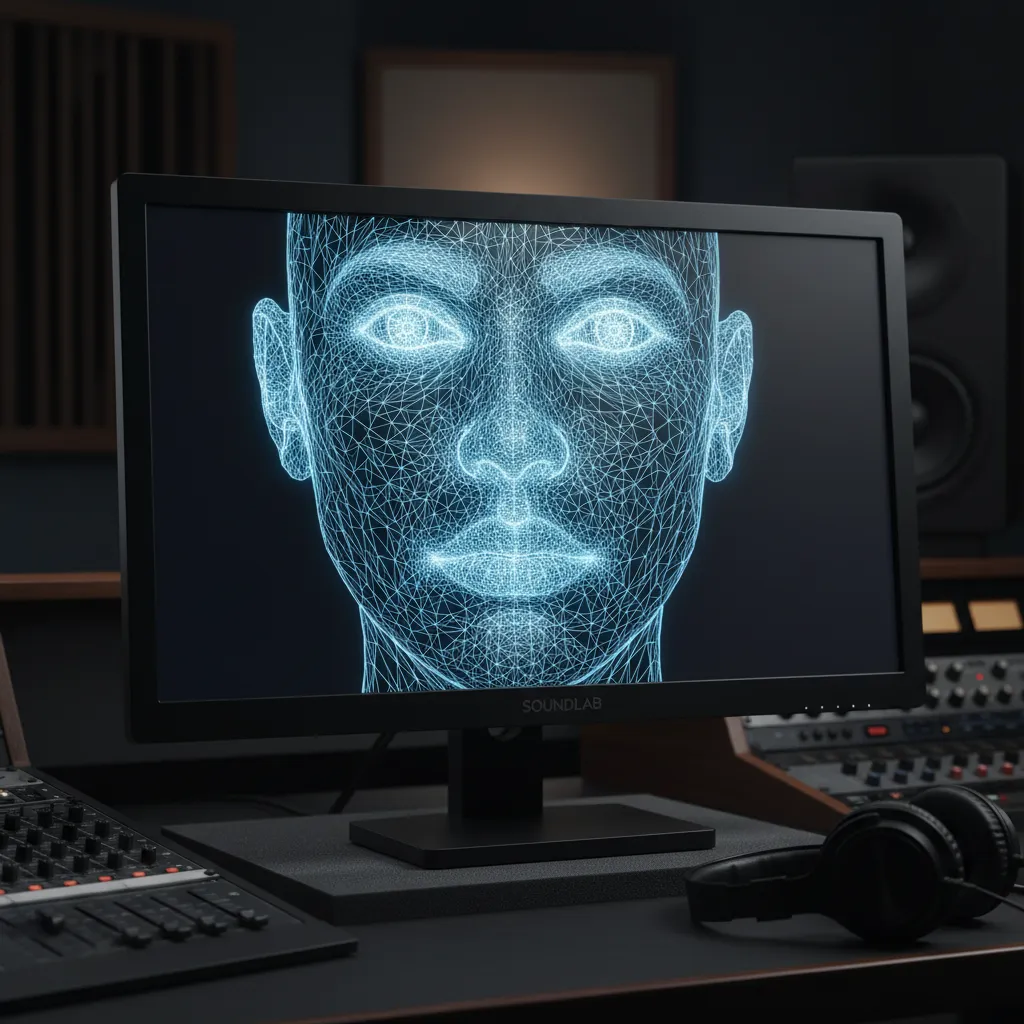
When you look at the rapid evolution of the AI language tutor business, the shift from casual conversational bots to high-stakes professional simulation is staggering. We are no longer just teaching vocabulary; we are engineering resilience. You can literally program an avatar to sigh heavily, check its digital watch, or narrow its eyes if your response latency exceeds 1.5 seconds.
Prompt Engineering for Panic
What happens when the interviewer suddenly throws a curveball about supply chain logistics, and you only know how to order a coffee?
You freeze, unless you have already programmed your LingoTalk AI avatar to grill you on exactly that obscure topic. The secret sauce to a successful multilingual career isn't knowing every word in the dictionary; it is possessing the precise, industry-specific jargon required to navigate your niche. I spend hours tweaking system prompts just to see how accurately the AI can mimic the specific corporate culture of different global industries, and the results are terrifyingly accurate.
Here is where the obsessive details matter.
If you want to truly prepare, you must inject your AI prompt with highly specific behavioral constraints and set the persona's empathy slider all the way to zero. Generic prompts yield generic results, but a hyper-specific prompt creates a crucible that burns away your linguistic hesitations.
The Anatomy of a High-Stress Prompt
Want to know why your current practice routine is failing?
It lacks stakes, which is precisely why you must instruct your AI to be painfully critical of your grammar, tone, and pacing. Try loading this exact parameter setup into your avatar: "Act as a ruthless Senior Data Scientist at a Tokyo-based fintech firm; ask me highly technical bilingual interview questions regarding machine learning pipelines, interrupt me if I hesitate for more than 1.2 seconds, and ruthlessly critique my use of Keigo (honorific Japanese) at the end of the session." The beautiful thing about LingoTalk's 2026 architecture is how it processes these behavioral constraints in real-time, rendering facial micro-expressions that trigger your actual fight-or-flight response.
Your palms will sweat, your throat will tighten, and your language skills will adapt.
It is a fascinating neurological quirk that adrenaline actually accelerates language acquisition by cementing the synaptic pathways used during simulated panic. When the avatar unexpectedly asks you to explain 'algorithmic amortization' in Spanish, and you stumble through it while the AI taps its virtual pen impatiently, your brain forms a highly durable episodic memory. You will never forget that specific vocabulary word again because your amygdala has tagged it as essential for survival.
Analyzing the Phonetic Wreckage
How do you know if this digital torture is actually working?
You look at the data, and the data generated by these high-stress simulations is an absolute goldmine for language learners. Every single time you stumble over a complex subjunctive clause while defending your resume, the AI is silently logging that specific phonetic breakdown. I obsess over these post-interview analytics dashboards because they reveal the exact cognitive load bottlenecks in your speech pathways, isolating the precise moments where your fluency fractured under pressure.
Numbers do not lie, and the analytics will show you exactly where your grammar goes to die.
Instead of vaguely feeling like you "did a bad job," you receive a granular report showing that your sentence structure collapsed specifically when discussing past-tense financial metrics. You can then click on that exact timestamp, listen to your panicked audio playback, and have the AI tutor gently (now that the interview is over) explain the correct phrasing.

Building Muscle Memory for Industry Jargon
How do you make specialized vocabulary stick when traditional flashcards inevitably fail?
You embed the jargon into a high-stakes, interactive narrative that forces you to use the words in context. You can literally upload a target company's latest annual report or a recent press release directly into the LingoTalk context window before the simulation begins. The AI instantly parses the corporate culture, extracting the exact buzzwords, strategic priorities, and industry acronyms the real hiring manager is guaranteed to use.
It feels like cheating, but it is just superior preparation.
If you are interviewing for a Brazilian agritech startup, the avatar won't just ask about your strengths; it will demand to know how your background in software engineering can optimize soybean yield predictions in the Mato Grosso region. By forcing you to articulate complex ideas using niche Portuguese vocabulary, the AI builds the procedural muscle memory required to sound like an insider rather than a tourist.
The 2026 Toolkit: Setting Up Your LingoTalk Avatar
Overwhelmed by the technical setup required to build your digital nemesis?
Don't be, because configuring your nightmare interviewer takes less than three minutes if you know exactly which buttons to push. You just navigate to the LingoTalk advanced persona lab, select the 'Behavioral Interview' template, and start tweaking the dials. I highly recommend turning on the 'Cultural Nuance' toggle, which adjusts the avatar's communication style to match the specific business etiquette of the target region.
A simulated interviewer from New York will aggressively cut to the chase, while an avatar programmed for a Kyoto-based firm will employ complex indirect questioning that requires you to read between the lines.
Mastering these subtle cultural shifts is what separates a good candidate from an undeniable hire.
When you practice with a culturally calibrated avatar, you are learning the unspoken rules of engagement that textbooks completely ignore. You learn when to maintain eye contact, when to defer to authority, and how to structure your arguments to align with regional expectations. This is the ultimate hack for building a truly global, multilingual career.
Embracing the Micro-Failures
Terrified of failing the real interview and losing the opportunity of a lifetime?
Then you must fail a hundred times in a digital sandbox first, embracing every stutter and mispronounced word as a necessary data point for improvement. The goal is not to be perfect on your first attempt with the AI; the goal is to systematically break your language skills down under pressure so you can rebuild them stronger. I love watching the progression of a user's confidence over a week of intense simulation, as the initial panic slowly gives way to a cold, calculated fluency.
You realize that the AI has thrown every possible nightmare scenario at you, and you survived.
Ready to face the firing squad and claim that international role? You will be, once you've survived the artificial crucible. Dive into the LingoTalk app today, crank that difficulty slider to maximum, and let the AI tear your language skills apart so you can finally ace the real thing.
Ready to speak a new language with confidence?