

Look and Learn: How Multimodal AI Vision is Turning Your Everyday Surroundings Into a Live Language Lesson in 2026
The physical world around you is the only language textbook you will ever truly need, and your everyday environment, instantly translated by the gentle lens of artificial intelligence, has become the ultimate classroom. This is what I learned about multimodal AI language learning in 2026. Here is exactly how that profound shift happened, pulling us away from static vocabulary lists and showing us how to learn language with a camera, dropping us directly into the vibrant reality of our daily lives, trusting that the immediate context of the moment will teach us better than any flashcard ever could.
The Philosophy of Sight: Why Context is the Anchor of Memory
Before we look at the incredible technology driving this shift, or dissect the mechanics of how your phone or your wearable devices are mapping the world, we must first pause, zoom out, and ask ourselves why this matters on a fundamental, human level. Why do we spend years staring at screens, trying to force our brains to care about hypothetical dialogues between fictional characters, when the actual, breathing world is sitting right in front of us, begging to be named, understood, and interacted with? What does it actually mean to possess a language, to hold its rhythm in your mouth and its structure in your mind, if you cannot use it to describe the steam rising from your morning coffee, the texture of the fruit at your local market, or the specific, melancholic shade of the evening sky?
Language is, at its core, a tool for connecting with our immediate reality, and when we divorce the words from the physical objects they represent, we strip them of their weight, their color, and their emotional resonance, leaving behind only an empty shell of grammar and syntax that the brain naturally wants to forget.
This is where AI vision language practice steps in, not as a replacement for human connection, but as a vital, necessary bridge. It allows you to learn alongside a camera that sees what you see, understands where you are, and guides you through the vocabulary of your exact present moment, turning every glance into an opportunity for genuine connection.
Breaking Out of the Screen
For decades, we have been abstract learners, memorizing the word for "apple" while sitting in a room with no apples, hoping against hope that someday, when we finally encounter the fruit in a foreign land, the memory will spark, the connection will fire, and the word will tumble out of our mouths effortlessly.
It almost never works that way.
Memory requires anchors, those heavy, tangible hooks of sensory experience that tell the brain, 'this is important, remember this,' which is exactly why this technology is completely rewriting the rules of acquisition for expats, travelers, students, and busy professionals alike. By integrating these visual, context-aware tools into the LingoTalk platform, we are watching learners transform entirely from passive memorizers into active, hungry explorers, using their devices to trigger real-time conversations about the very things they are touching, eating, and experiencing in the real world.
The Mechanics of the Gaze: What Does This Mean for the Learner?
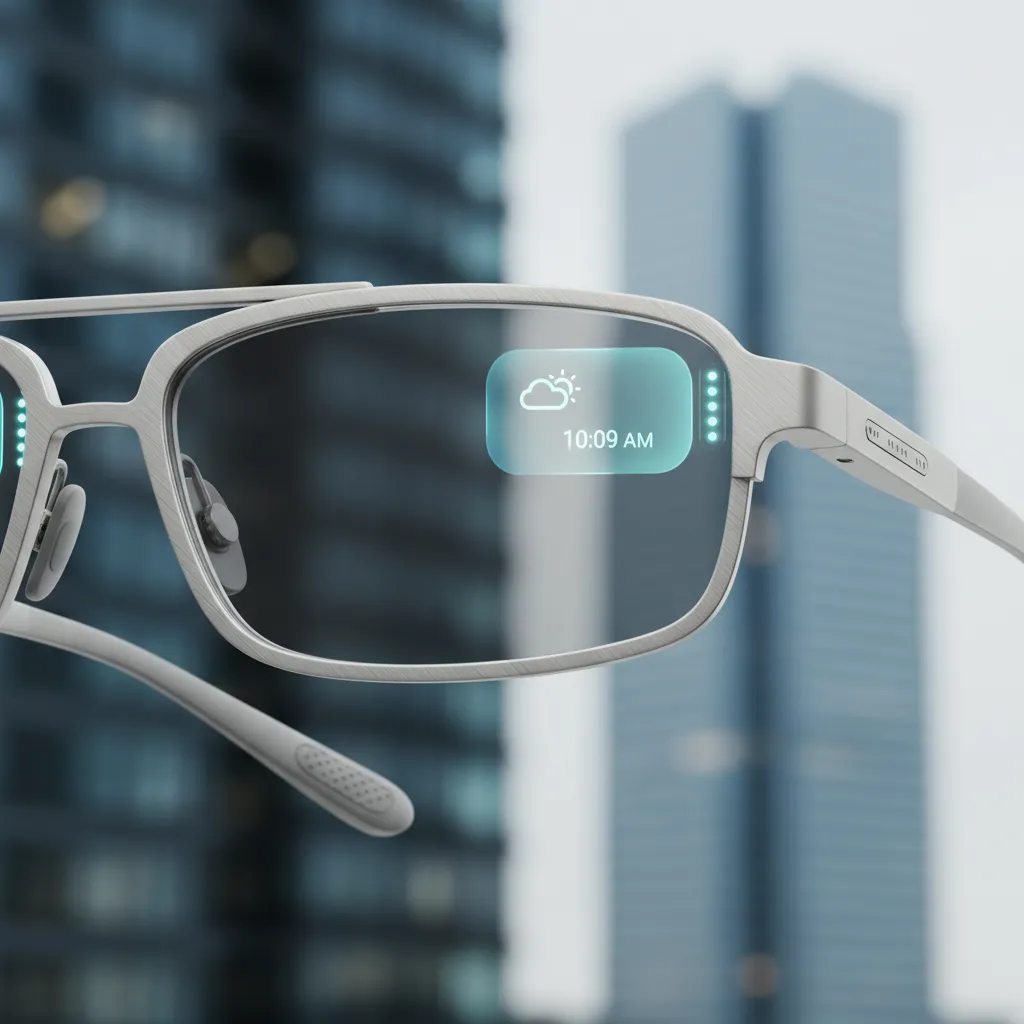
What does it mean to walk through your neighborhood, your office, or a strange, winding street in a foreign city, knowing that every single object you look at can instantly become a personalized, interactive lesson, tailored specifically to your current proficiency level and your unique, deeply personal learning goals? It means the absolute end of scheduled, isolated study time, because the study time is simply your life, unfolding naturally, narrated in the language you are trying so desperately to make your own. Imagine putting on your glasses, stepping out your front door into the crisp morning air, and having a gentle, encouraging AI object recognition tutor whisper the names of the trees you pass, the architecture of the buildings towering above you, and the weather patterns forming in the clouds, all while asking you conversational questions that force you to respond, to engage, and to think critically in your target language.
This kind of real world language immersion was once the exclusive, expensive privilege of those who could afford to pack up their entire lives and move across the globe, living with host families and stumbling through daily, awkward interactions until the language finally, miraculously clicked into place.
Now, that exact same level of immersive, context-heavy experience is available to anyone, anywhere, turning a mundane walk to the grocery store into a rich, multi-sensory language lesson that your brain will actually retain.
A Walk Through the Neighborhood
Let us trace the steps of a typical morning in this new era of learning, just to see how seamlessly, how beautifully this technology weaves itself into the mundane fabric of your day. You are sitting at your kitchen table, you point your phone at your breakfast, and your LingoTalk app, utilizing advanced multimodal vision, doesn't just flatly tell you the word for "egg" or "toast," but instead initiates a flowing, natural conversation about how you like your eggs cooked, asking you to describe the process, gently correcting your grammar when you stumble, and offering alternative phrasing, just as a patient, native-speaking friend would do over a shared meal.
The learning is no longer a separate, daunting task, tucked away in a dusty corner of your digital schedule.
It is alive, it is breathing, and it is directly tied to the physical actions you are taking, which means your brain effortlessly encodes the vocabulary, linking the foreign sounds forever to the rich smell of the coffee, the sharp crunch of the toast, and the soft morning light filtering through your kitchen window.
The Cultural Nuance of the Visible World
What does it mean to see culture, rather than just read about it in a textbook? When you are learning a language, you are not just mapping new words onto old concepts; you are learning an entirely new way to categorize reality, a new way to divide up the visual spectrum, and a new way to understand the relationships between objects and the people who use them. A cup of tea in London carries a vastly different cultural weight, a different set of accompanying rituals, and a different vocabulary than a matcha bowl in Kyoto or a mate gourd in Buenos Aires, and a simple text translation cannot possibly capture that deep, historical resonance.
When you use these systems to examine these items in their natural habitat, the AI doesn't just give you the noun; it gives you the context, explaining the history of the object, the social etiquette surrounding its use, and the idiomatic expressions that have grown up around it over centuries.
This is how you move from speaking a language to actually inhabiting it.
You begin to understand that language is a living ecosystem, and every object in your visual field is a vital part of that ecosystem, carrying stories, memories, and cultural rules that are invisible to the naked eye but brilliantly illuminated by the careful, contextual analysis of multimodal AI.
The Professional Advantage in a Globalized World
For professionals trying to navigate international markets, this technology is not just a learning tool; it is a critical survival mechanism, a way to instantly decode the unspoken rules of a foreign boardroom, a factory floor, or a networking event. Imagine walking into a manufacturing facility in Germany, using your smart glasses language learning tools to not only identify the complex machinery around you in real-time, but to receive immediate, context-aware prompts on the correct technical terminology, the appropriate level of formality to use with the floor manager, and the safety protocols written on the walls, all seamlessly integrated into an ongoing, interactive language lesson that prepares you for the meeting ahead.
The stakes are high, and the world moves fast, leaving no time for the slow, disconnected methods of the past.
By turning your everyday professional surroundings into a live language lesson, you are not just learning vocabulary; you are building confidence, competence, and a deep, intuitive understanding of how your target language actually functions in the high-pressure, real-world environments where you need it most.
The Journey Backward: How Does This Work in the Everyday?
We have explored the profound philosophical shift and the deep, resonant meaning behind this technology, so now we must journey backward, looking closely at how this actually works when you are standing in the middle of a bustling street, overwhelmed by noise, trying to order a coffee or navigate a complex transit system. The magic, the true technological marvel, lies in the multimodal nature of the AI, a complex, invisible web of visual recognition, spatial awareness, and natural language processing that allows the system to not only identify the objects in your field of view, but to deeply understand the relationships between them, the cultural context of the environment, and the most likely scenarios you are about to encounter in the next five minutes.
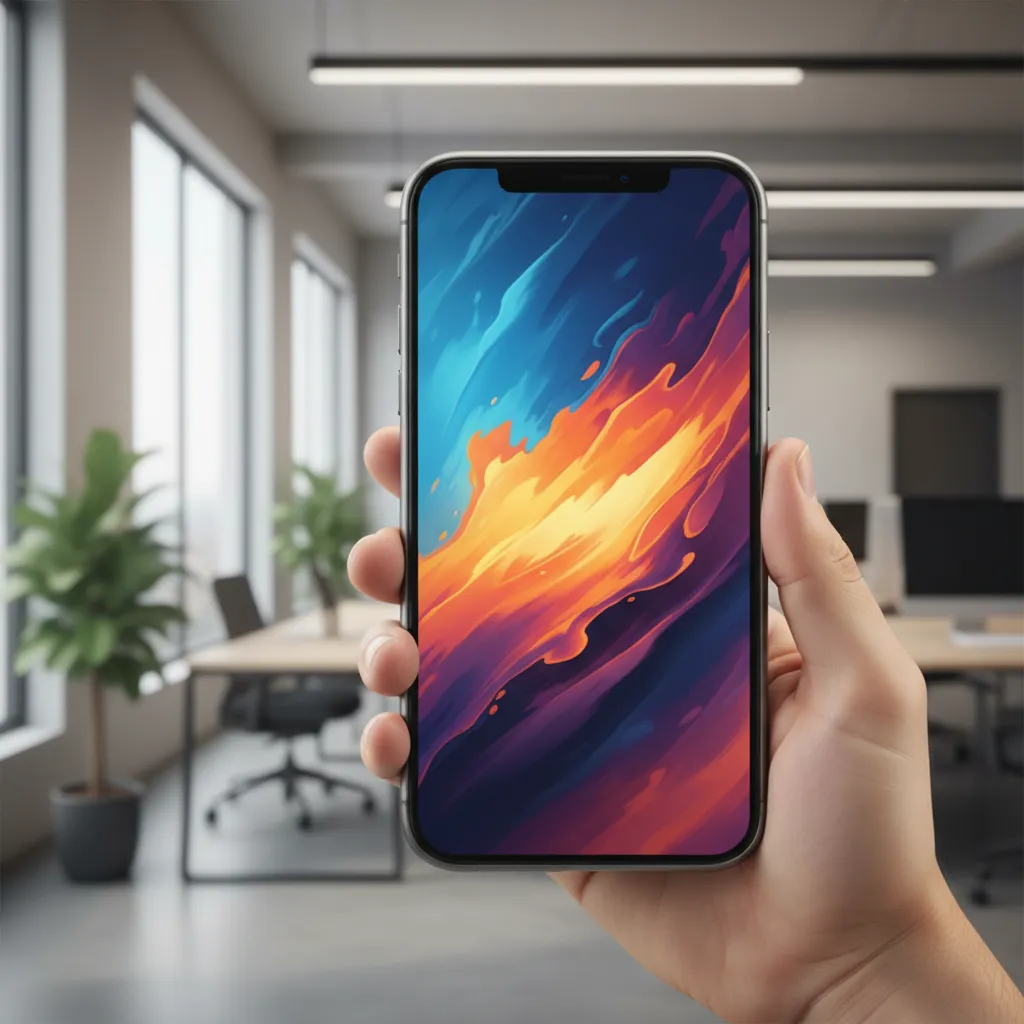
If you are looking at a confusing, button-heavy train ticket machine in Tokyo, the AI does not merely translate the text like a static dictionary; it recognizes your precise location, anticipates your goal based on the time of day, and walks you through the interaction step-by-step, teaching you the specific, practical vocabulary you need in that exact second to buy your ticket, politely ask for directions, and confidently find your platform.
The Living Vocabulary
Your vocabulary list is no longer a static document, but a dynamic, ever-evolving reflection of your actual life, populated only by the words and phrases that you genuinely need, because they are the words and phrases that make up the physical reality you are moving through.
When you encounter a new object, a strange fruit at the market, or an unfamiliar architectural detail on your commute, you simply look, and the AI provides the language, creating a frictionless, beautiful loop of curiosity, discovery, and acquisition that perfectly mirrors the way we all learned our very first language as children, pointing at the vast, mysterious world and waiting for someone to give it a name. This is the true power of multimodal learning, this seamless blending of the digital and the physical, the abstract and the tangible, the foreign and the familiar, bringing everything together into one cohesive experience.
The World is Waiting to be Spoken
The journey to fluency is not a straight line, nor is it a path paved with endless flashcards, tedious grammar drills, and solitary, frustrating hours spent staring at a glowing screen in a silent room.
It is a messy, vibrant, and deeply physical process of connecting with the world around you, and by allowing multimodal AI vision to guide your gaze, you are inviting the language into your everyday life, letting it attach itself to the objects you touch, the places you go, and the experiences you live, ensuring that every single moment becomes a chance to grow. Open your eyes, point your camera, and let the world itself teach you how to speak its many beautiful, complex names.
Ready to speak a new language with confidence?