
The 2026 Digital Nomad Visa Boom: Fast-Tracking Your Conversational Fluency for Relocation With AI
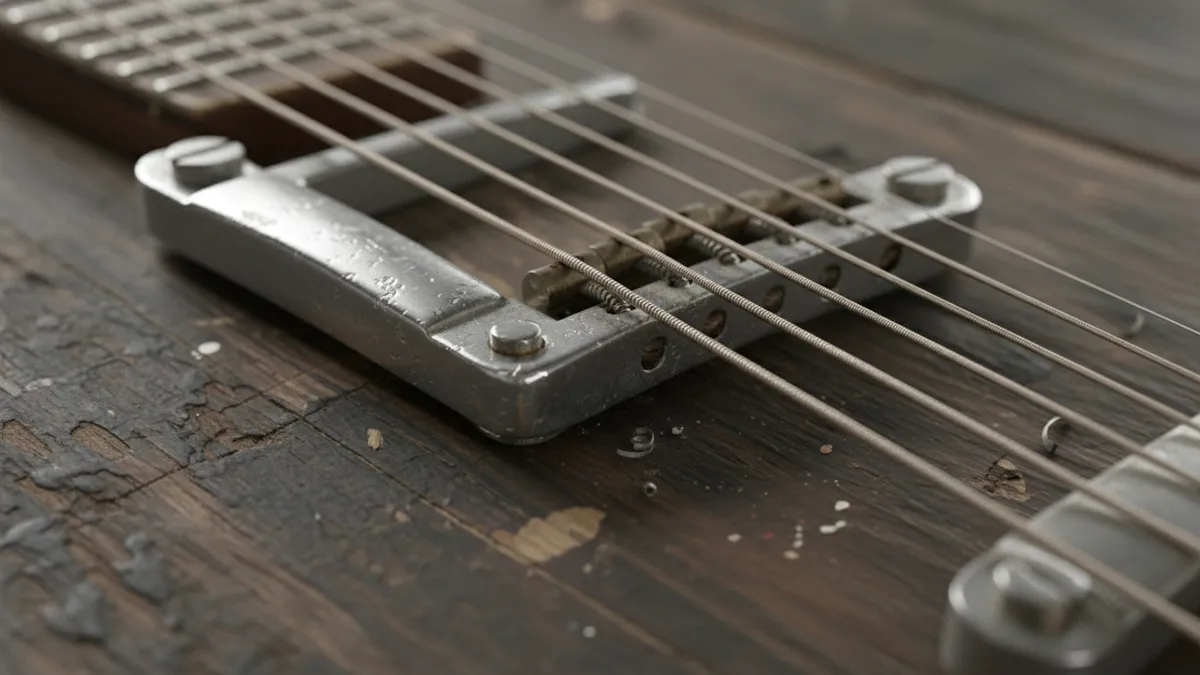
Getting approved for a 2026 digital nomad visa is like buying a vintage Fender Stratocaster. It looks spectacular sitting in its velvet-lined case, promising a life of creative freedom and electric energy. But until you learn how to tune those strings to the local pitch, you are just going to make a lot of awkward noise. The 2026 digital nomad visa boom is handing out these beautiful instruments to remote workers worldwide. Borders are opening from the sun-drenched coasts of Spain to the neon-lit streets of Japan. Yet, the real hurdle isn't the paperwork. It is learning the language for relocation so you can actually play the music.
The 2026 Rush Is Handing Out Instruments to Everyone
The world is suddenly full of hopeful musicians. In 2026, the landscape of global mobility shifted dramatically as countries realized remote workers are long-term investments, not just extended tourists. Take Sarah, a software developer from Chicago who landed in Valencia with a freshly stamped passport and a heart full of tapas dreams. She had the required monthly revenue, the comprehensive health insurance, and the spotless background check. But when her landlord tried to explain a plumbing issue in rapid-fire Valencian Spanish, her pristine paperwork couldn't fix the leak.
A visa gets you into the venue, but it doesn't get you on the stage. The Spanish government, much like Portugal and Japan, is increasingly favoring applicants who show a genuine commitment to integrating into the community. Sarah spent her first three weeks relying on translation apps. She felt less like a resident and more like a permanent visitor trapped behind a glass wall. Her dream of seamless European living was stalled by the simple inability to order a cafe con leche without pointing and nodding aggressively.
We see this pattern repeating across every major expat hub. Remote workers arrive with laptops and high hopes, only to hit a wall of linguistic isolation. The infrastructure for moving abroad has never been easier, but the human element remains stubbornly complex. You cannot automate a genuine connection with the baker down the street. You have to speak their language.
The Bureaucratic Backbeat
Paperwork is just the rhythm section of your relocation. The melodic hook is your ability to navigate the unspoken social contracts of your new home. Digital nomad visa requirements have evolved beyond mere financial proof. Immigration officers and local landlords alike are looking for signs that you intend to participate in the local ecosystem.
Sarah quickly learned that her American salary didn't impress the local utility company when she couldn't explain her billing issue over the phone. Integration is the new currency of the global citizen. If you want to thrive in these booming nomad hotspots, you have to prove you are there to contribute to the culture, not just consume the Wi-Fi.
Sheet Music Won't Help You Read the Room
Textbook grammar is the sheet music of human connection. It teaches you the theoretical structure of a sentence, but it completely ignores the rhythm, the slang, and the unspoken pauses that make up real conversation. Mark, a graphic designer who relocated to Kyoto, spent six months memorizing verb conjugations before his flight. He arrived in Japan expecting to navigate the city with the precision of a metronome. Instead, he froze when a local barista asked him a casual question that wasn't in his textbook's chapter on dining out.
Real life does not follow a syllabus. When you are trying to learn language for relocation, memorizing the pluperfect tense is far less valuable than knowing how to politely apologize for standing in the wrong line at the grocery store. Mark realized that his rigorous academic study had prepared him for a written exam. It had completely failed to prepare him for a spontaneous chat at a neighborhood izakaya. He needed conversational fluency, not a vocabulary list.

The gap between studying a language and speaking it is where most expats lose their confidence. Traditional apps drill you on translating isolated phrases. They treat language like a math problem to be solved with absolute perfection. But when you are standing in a crowded Lisbon market trying to buy fresh fish, you don't have time to calculate the grammar. You just need to know the right notes to play to keep the interaction moving.
Tuning the Strings in Real Time
The modern expat requires a completely different approach to preparation. Fast fluency for digital nomads isn't about achieving literary mastery. It is about surviving and thriving in the daily improvisation of life abroad. Elena, a marketing consultant who moved to Porto, realized this after her third failed attempt to set up a local bank account. The tellers didn't care if she knew the subjunctive mood. They just needed her to understand the account fees and sign on the dotted line.
She needed a way to practice the exact conversations she was going to have, before she actually had them. This is where the old methods of language learning for expats fall flat. They give you a generic phrasebook when what you really need is a personalized rehearsal space. Elena didn't need to know how to say "The apple is red." She needed to know how to say "Can I sign this document electronically?"
Your AI Pitch Pipe for the Local Rhythm
An AI language tutor for expats acts as your personal pitch pipe. It gives you the exact tone and rhythm you need to match the local frequency. It allows you to practice without the paralyzing fear of public embarrassment. When Elena switched to LingoTalk, she stopped studying Portuguese and started rehearsing her life in Portugal. She used our conversational fluency AI to simulate the exact interaction she would have at the bank. She practiced the dialogue until the words felt natural in her mouth.
LingoTalk doesn't just correct your grammar; it responds to your context. If you are a digital nomad preparing for a move to Spain, the AI adapts to teach you the colloquialisms of your specific region. You aren't just learning Spanish. You are learning the Spanish you need to ask your Madrid landlord about the Wi-Fi speed. It is the difference between reading a book about swimming and actually getting in the water with a dedicated coach.

This targeted practice is the secret to fast-tracking your relocation. By focusing entirely on conversational fluency AI, LingoTalk strips away the academic filler. We deliver the practical vocabulary that digital nomads actually use. You build muscle memory for the interactions that define your daily life. You go from negotiating rent to making friends at a local coworking space with the confidence of a seasoned local.
The Japanese Jazz Session
Let's go back to Mark in Kyoto. After abandoning his textbooks, he turned to LingoTalk to rebuild his confidence from the ground up. He started using the AI language tutor for expats to simulate casual encounters. He practiced ordering drinks, asking for directions, and making small talk about the weather. The AI didn't judge his halting delivery. It patiently guided him toward a more natural cadence, offering real-time feedback on his pronunciation.
Within three weeks, Mark was no longer freezing up at the cafe. He wasn't speaking perfect Japanese, but he was communicating effectively. He was joining the flow of the city rather than standing on the outside looking in. He had learned how to jam with the band. His fast fluency for digital nomads wasn't about perfection. It was about participation. He finally felt like he lived in Kyoto, rather than just working from there.
Joining the Local Band
The ultimate goal of relocation is integration. The 2026 digital nomad visa boom is an incredible opportunity to redesign your life. But that new life is only as vibrant as the connections you make within it. You can have the fastest internet, the most beautiful apartment, and the perfect remote job. If you cannot speak to your neighbors, you are just living in a very pretty bubble.
Language is the bridge between existing in a country and belonging to it. As digital nomad visa requirements continue to evolve, the unspoken requirement will always be your ability to engage with the culture that hosts you. LingoTalk is designed to help you cross that bridge faster. We turn the static of a new environment into a clear, welcoming signal.
Don't let your visa be just a piece of paper. Pick up the instrument, tune it to the local rhythm with LingoTalk, and start playing the music of your new life abroad.
Ready to speak a new language with confidence?